
Project

Historic Preservation Design Experience
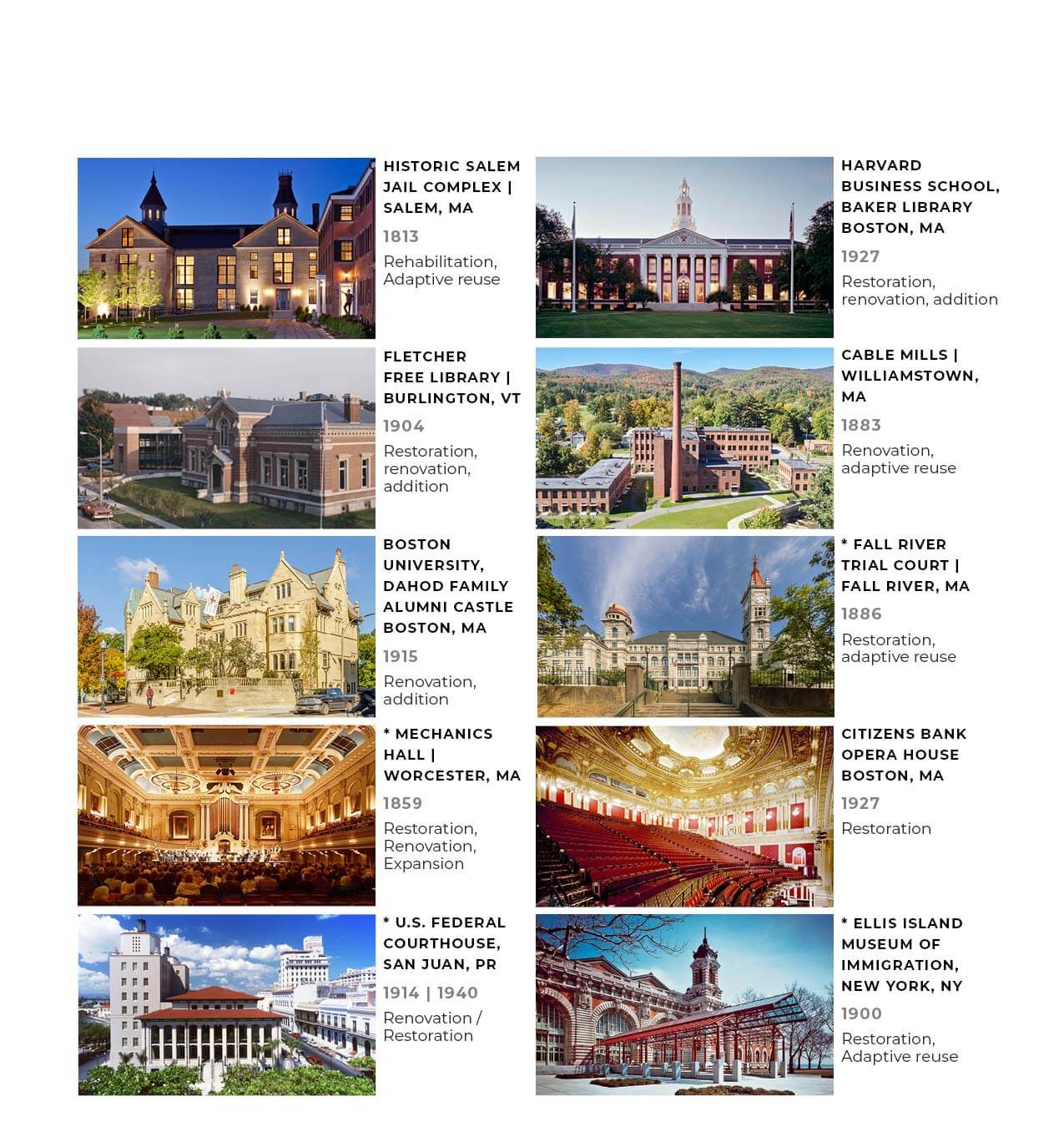
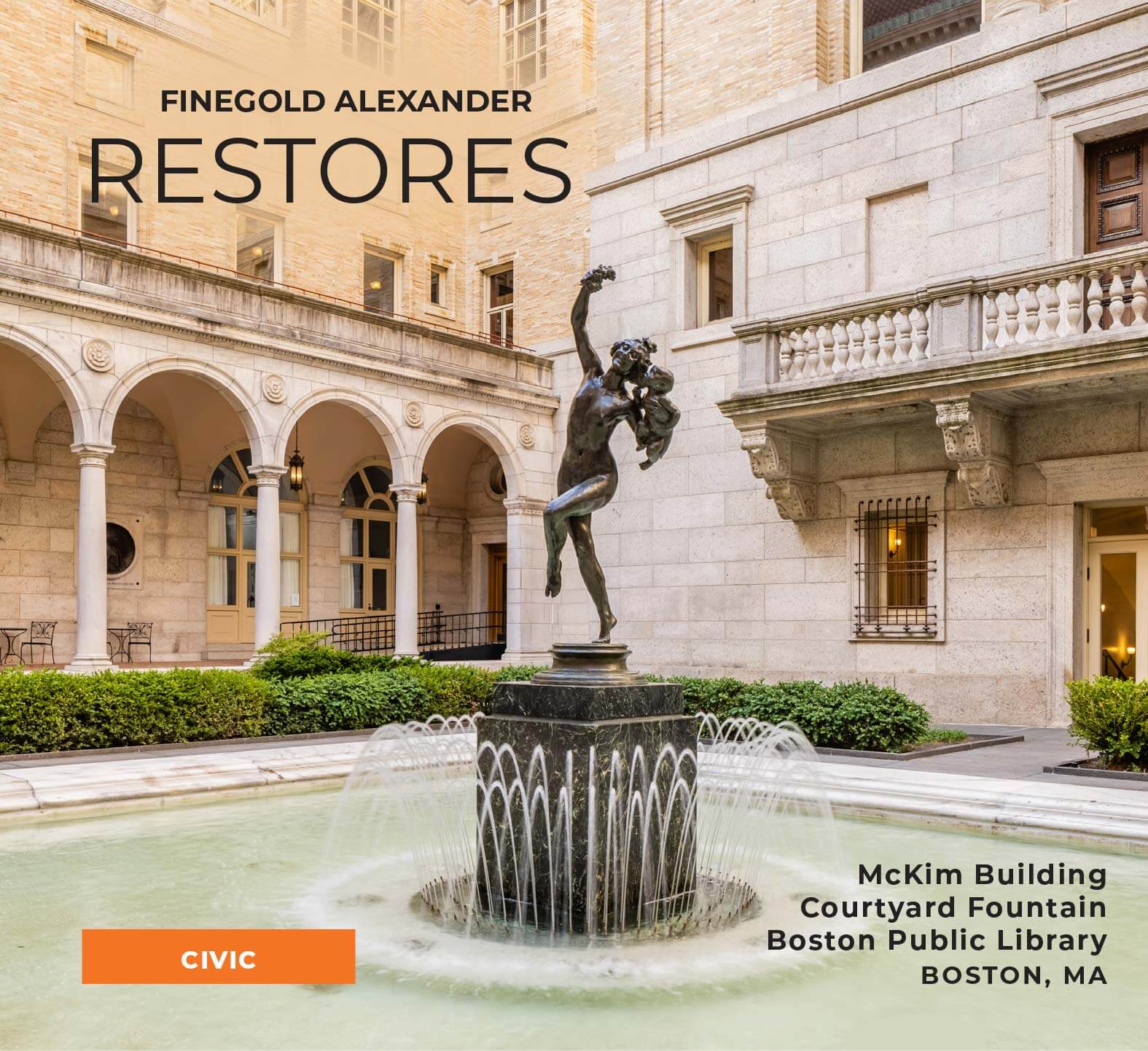
From national landmarks to local civic treasures, Finegold Alexander brings decades of experience and creative solutions to help owners and communities revitalize historic spaces—sustainably, accessibly, and with care. We excel at collaborating with clients to preserve and restore historic buildings. In some instances, this means repurposing existing buildings for a new use, while preserving their historical and architectural character. We listen to your building as closely as we listen to you and your community—helping you determine the most appropriate course of action. While every historic property reflects its own time and place, we believe all buildings can benefit from modern technology, sustainable strategies, and inclusive design—solutions we’ve successfully implemented on numerous National Register sites.
Size
Scope
Program
Sustainability
Awards
No items found.
In the news
No items found.
Project EUI




No items found.
HISTORIC PRESERVATION DESIGN APPROACH
Our collaborative design process for historic buildings often begins with a feasibility study. Our goal is to listen and engage with you to develop a roadmap that is tailored to your historic building and the needs of your community. Steps in our design approach include:
Kick-Off Meeting
We begin the project with a meeting with you, our consultant team, and any of your identified stakeholders to confirm project goals and to review the target schedule and deliverables. We will discuss the key issues, recent and ongoing studies, and how your staff and tenants are currently operating.
Existing Conditions Assessment
We review existing documentation and perform a detailed site investigation. At the exterior this includes assessment of the historic architectural features, building envelope, utilities, site conditions, and traffic patterns. On the interior we focus on operational adjacencies, building systems, accessibility, egress and life safety needs, and historic architectural features that will inform the concept design options.
Visioning and Programming
In parallel to the existing conditions assessment, we meet with stakeholders to understand program needs; how space may be better utilized; and any issues with circulation, wayfinding and public interaction. Finegold Alexander leads a series of visioning sessions not just to hear what is said but actively listen to the goals and aspirations for the project.
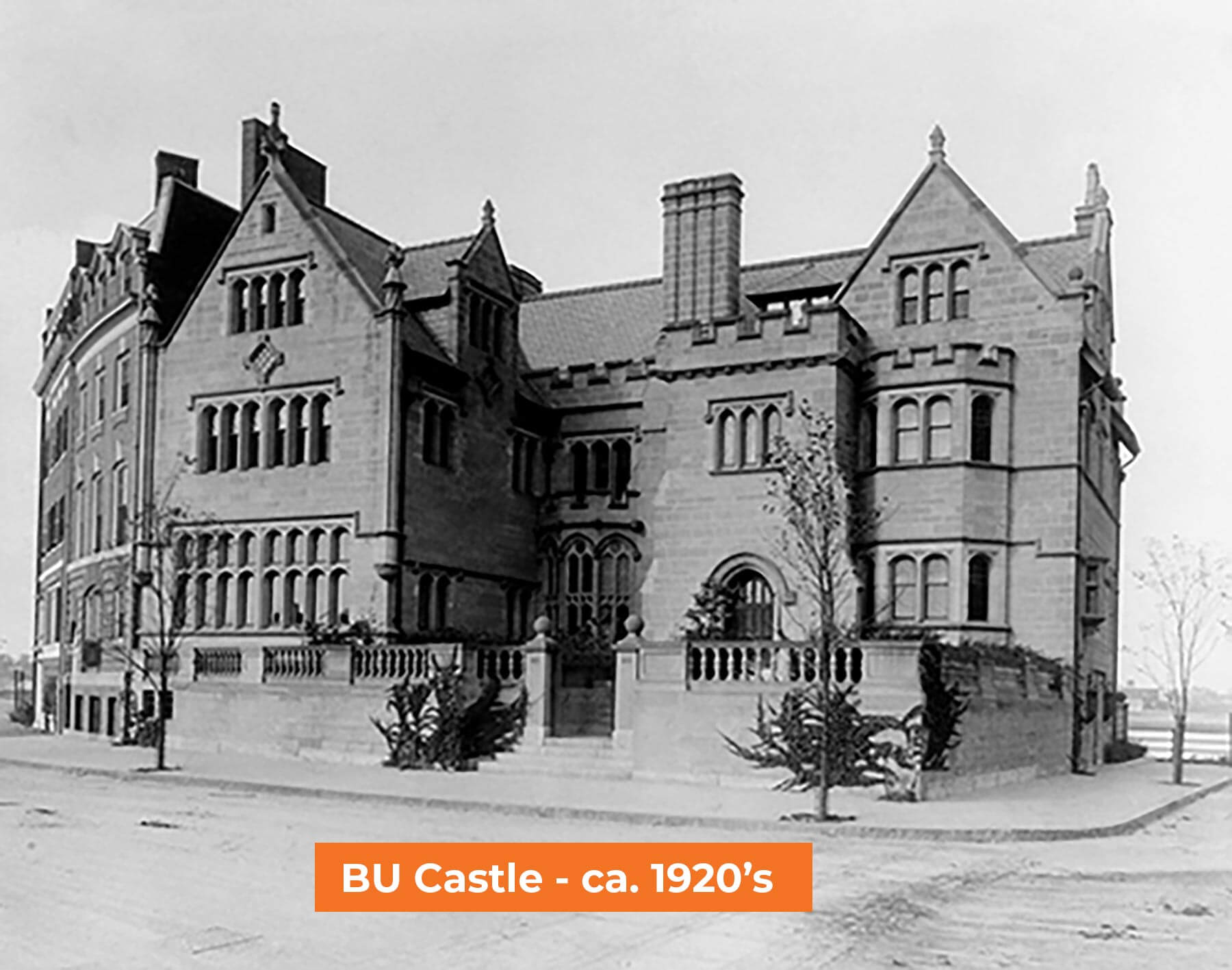
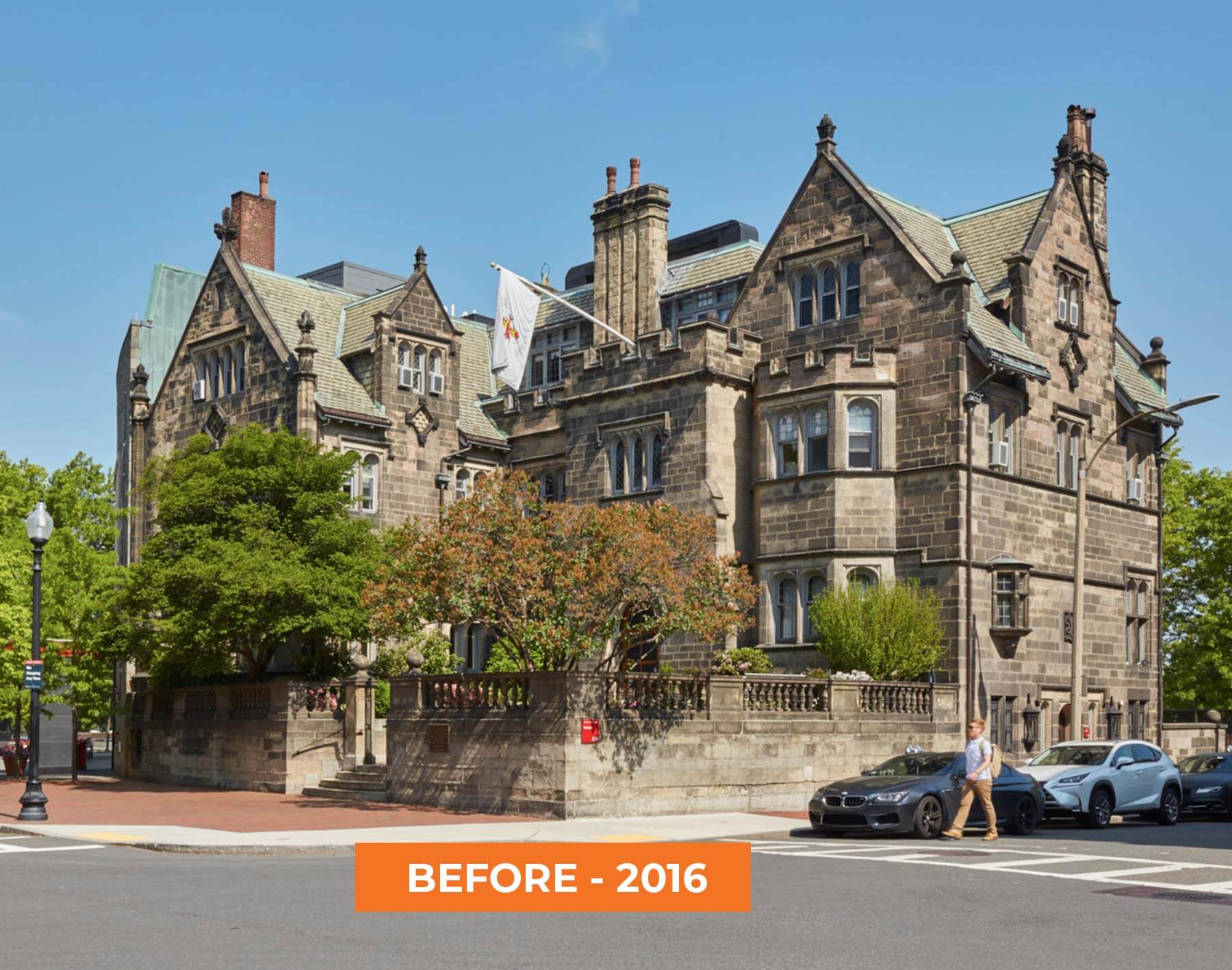
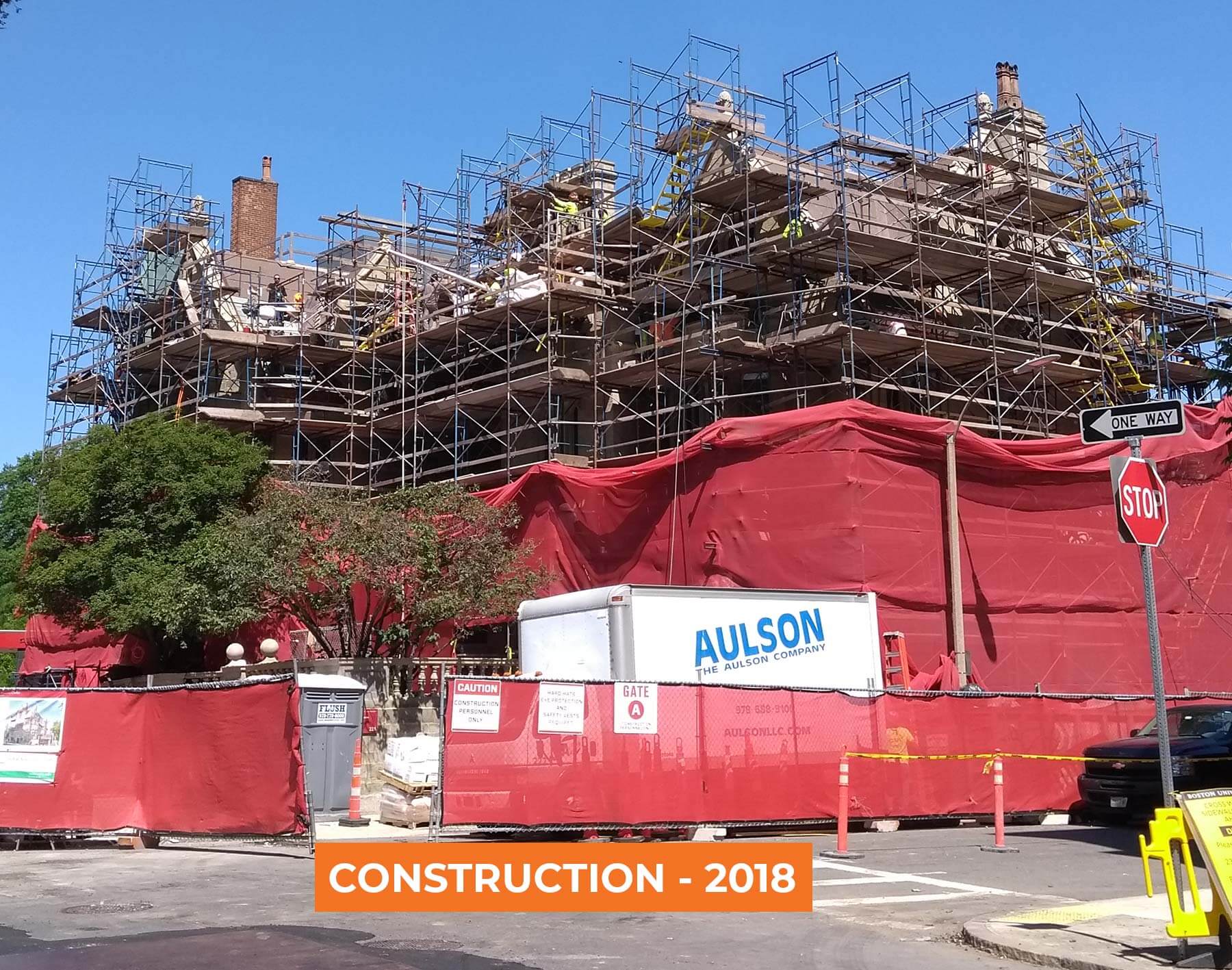
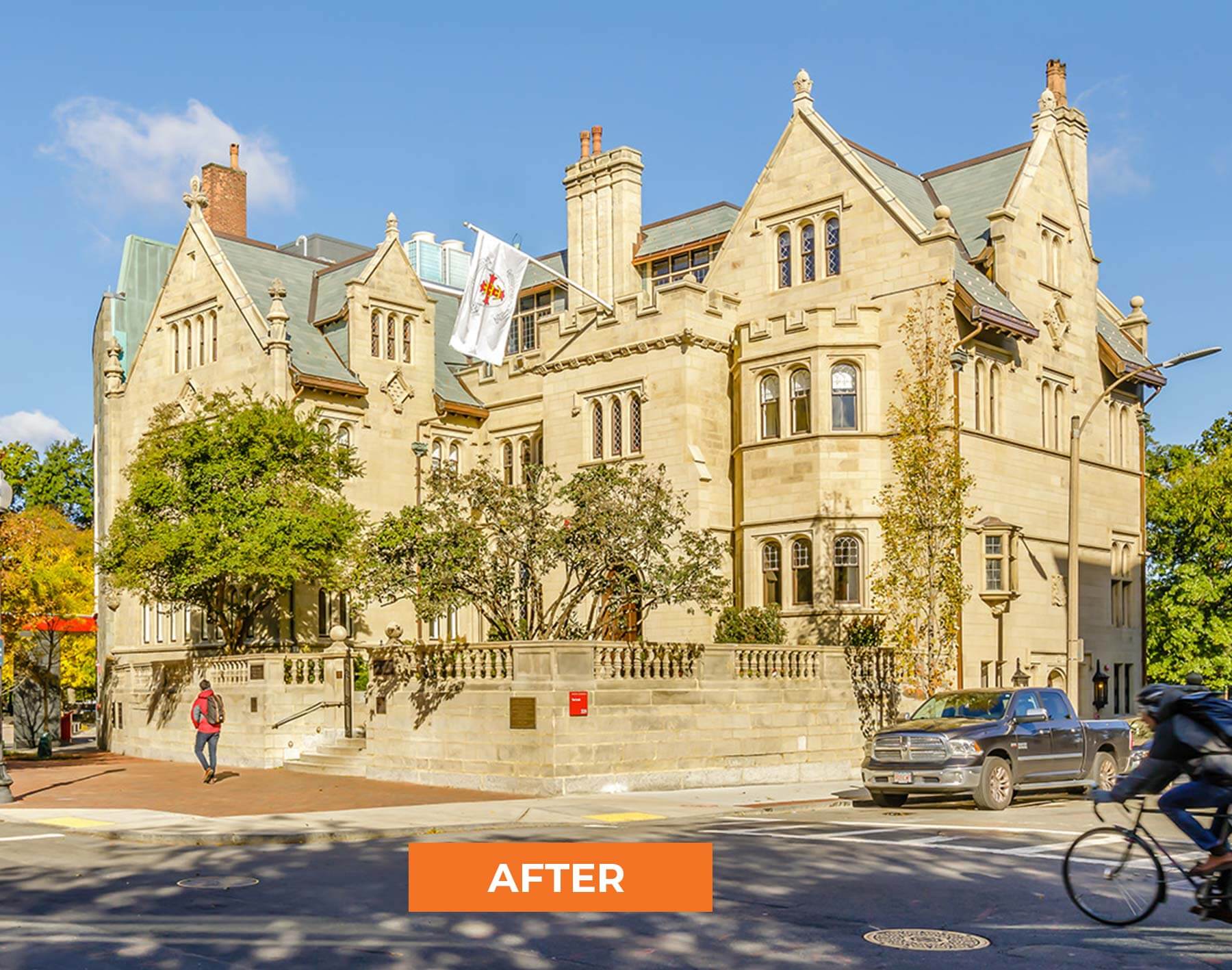
No items found.
Finegold Alexander is recognized for our ability to engage clients in a creative, thoughtful process to achieve feasibility study and concept options for historic buildings that are clear, innovative, and cost-effective. Let us listen and engage with you to develop guiding principles for design that are tailored to your goals, your historic building, and the needs of your ever-changing community.
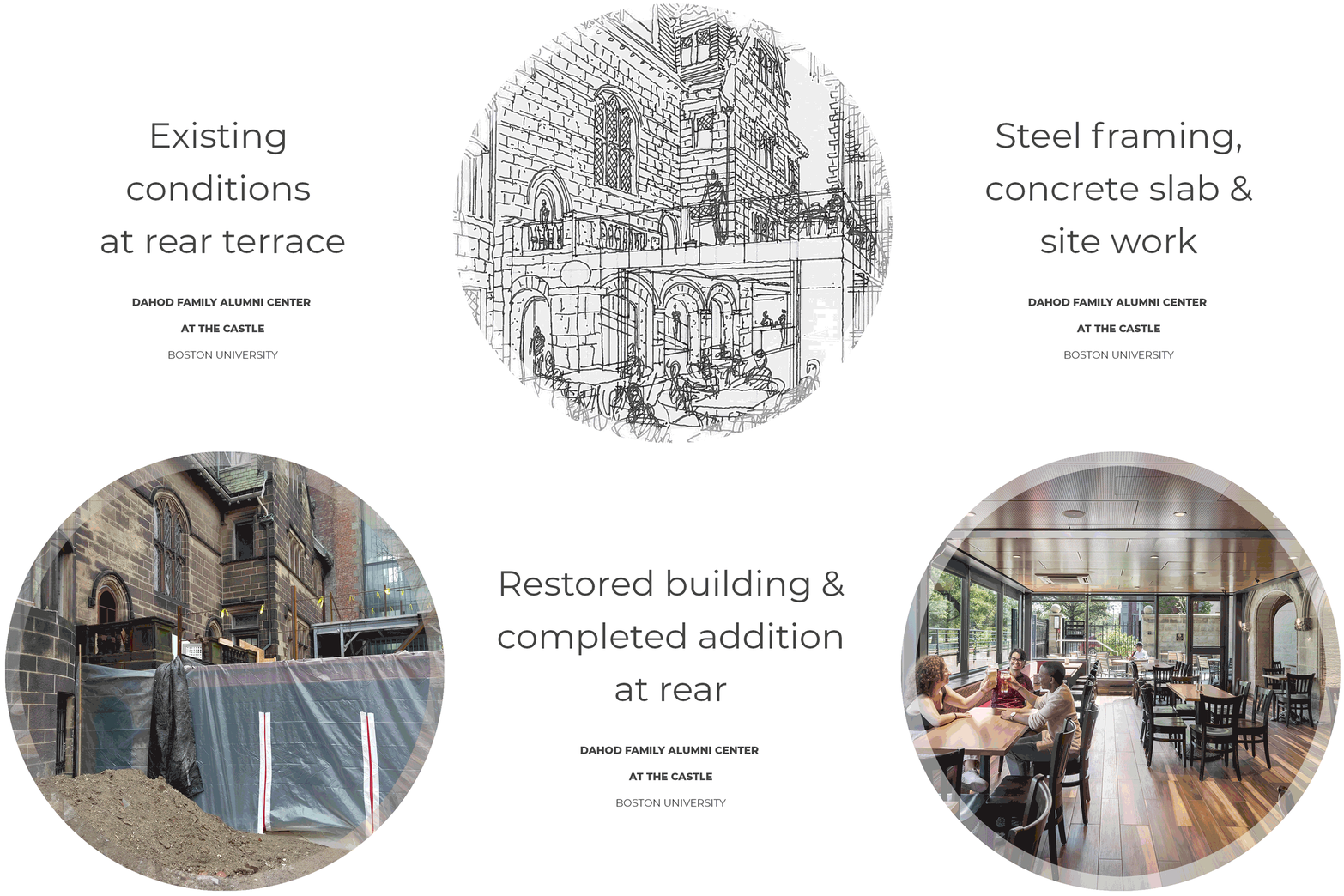
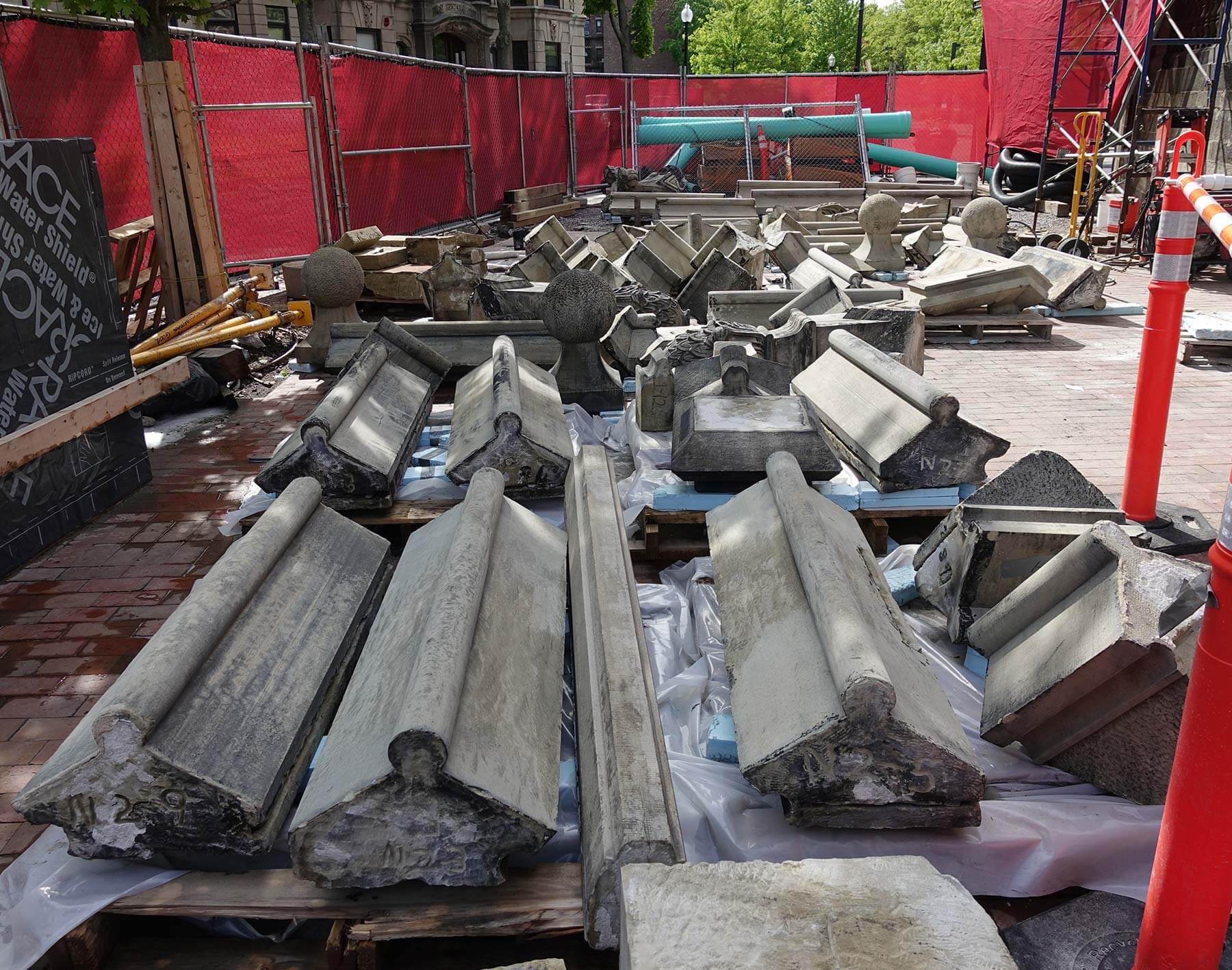

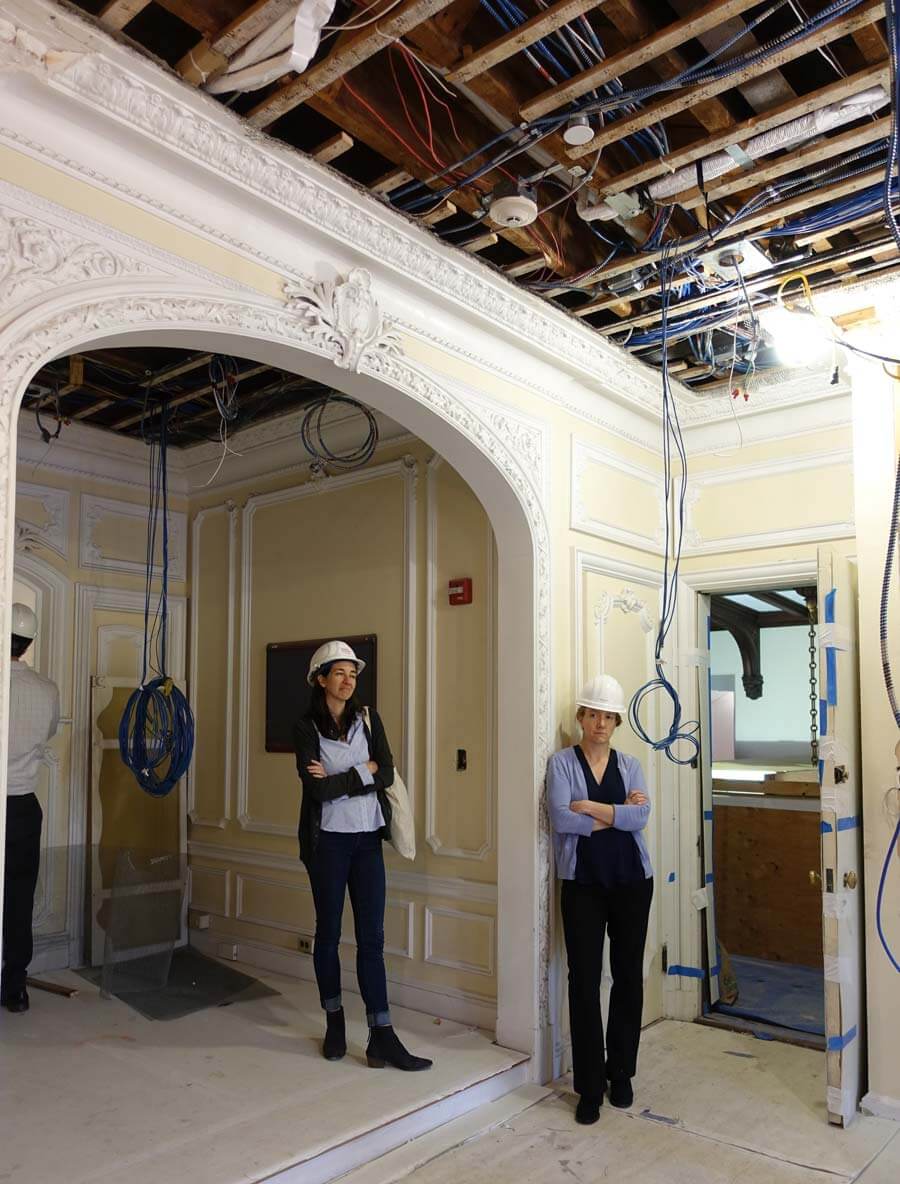
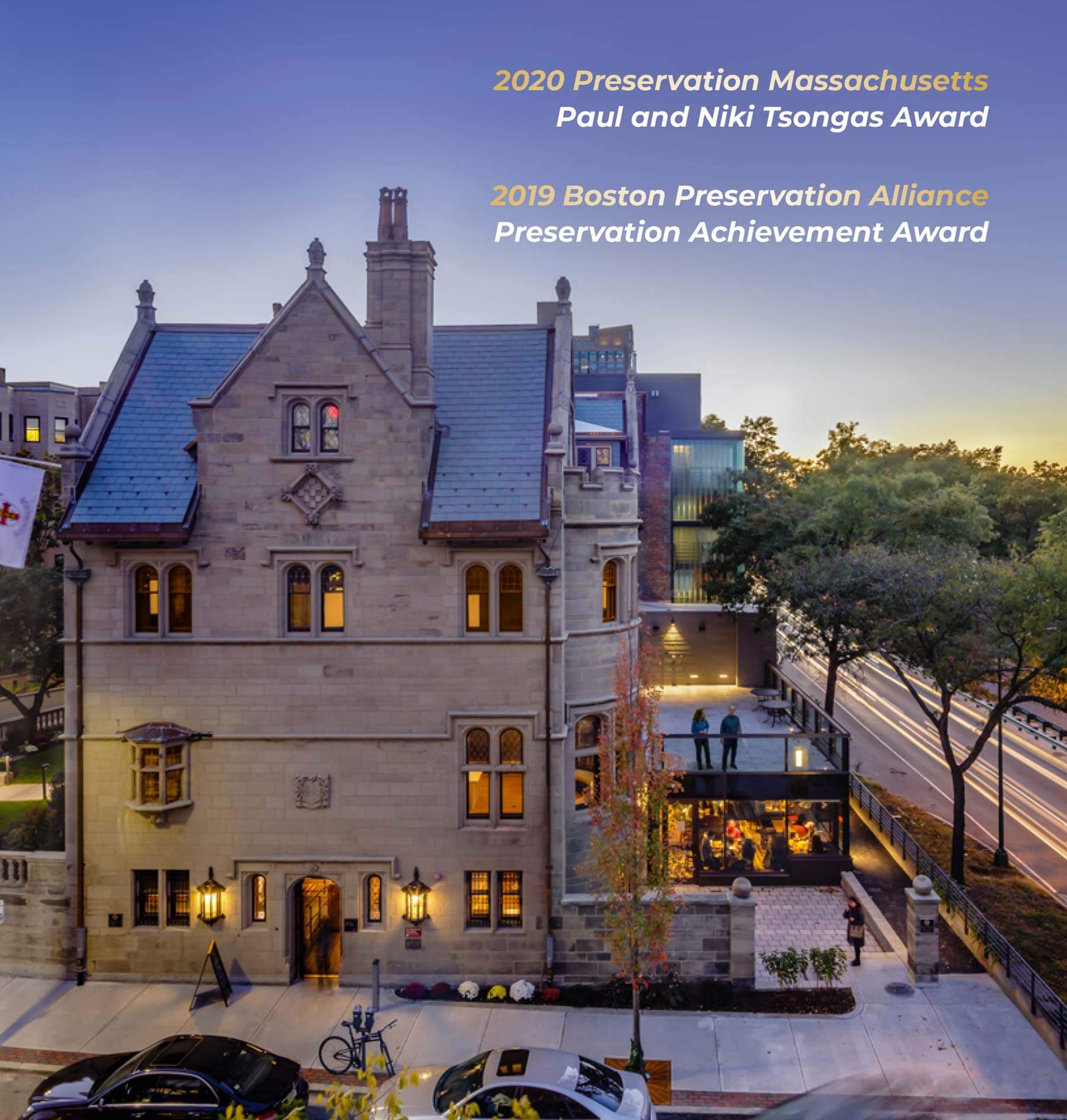
No items found.
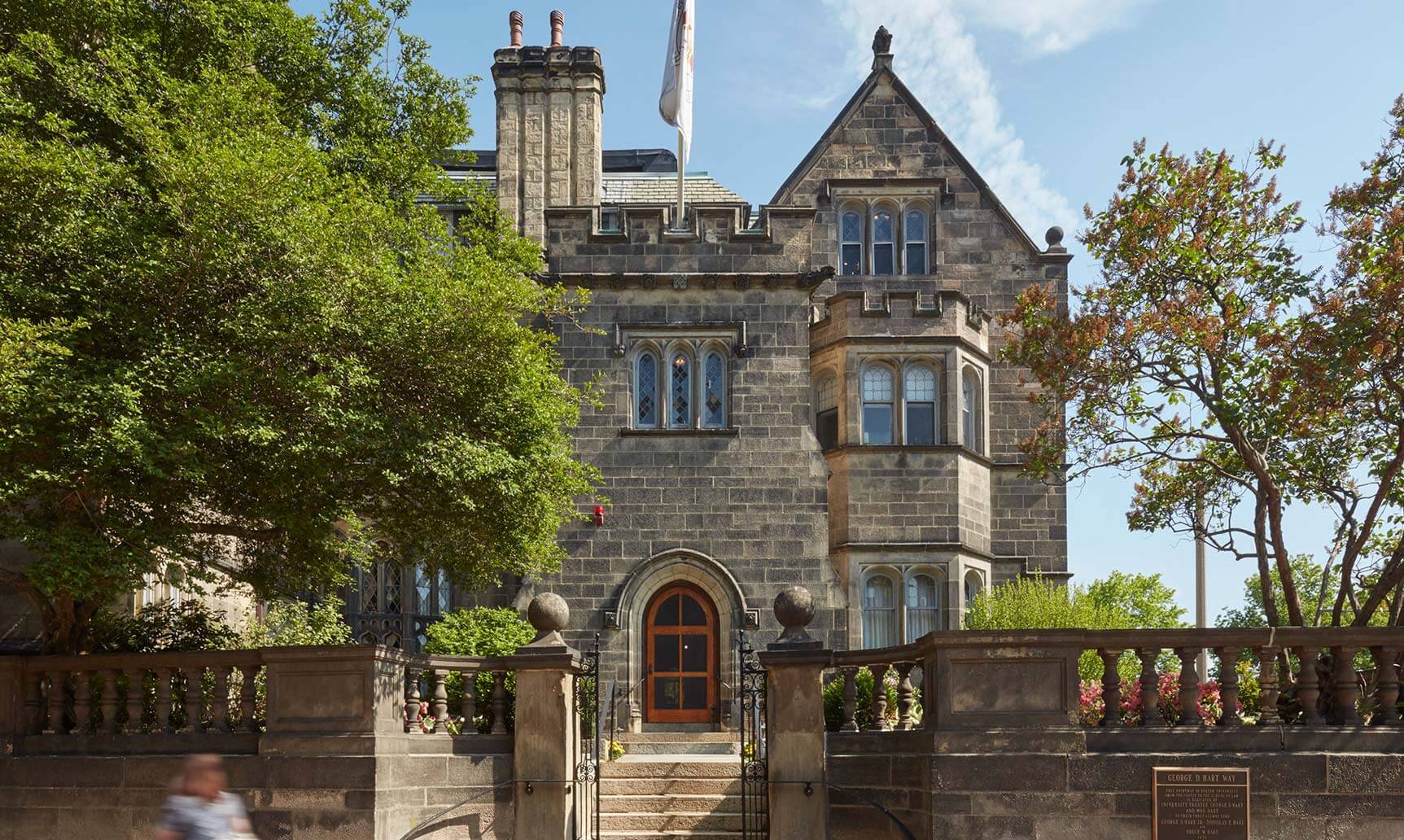
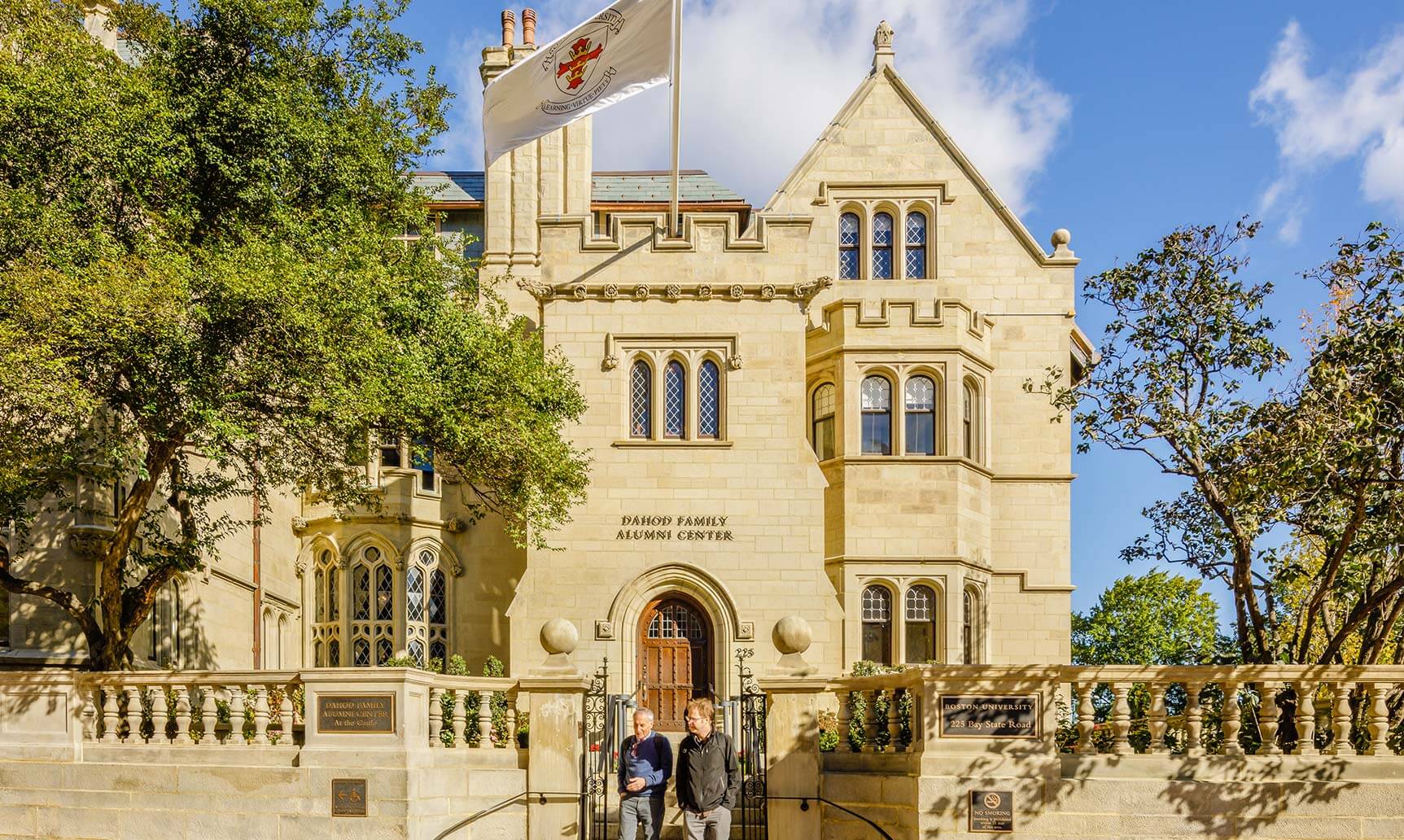
“We were very pleased with Finegold Alexander. They were great partners in designing and managing the restoration and repurposing of our 103-year-old historic “Castle.” Not only were they the most creative in the competition among firms vying for the project, but they did an amazing job of reconciling our modern space needs with (the) preservation of an architecturally significant landmark building.”
Steven Hall, Vice President for Alumni Relations, Boston University
Sustainable Design Recommendations
Healthy, sustainable buildings are key to a building’s operational efficiency and are essential in supporting the user group’s wellness. Our team is very familiar with the complexities of threading new, efficient mechanical systems through existing historic building fabric.
Conceptual Design Options
We use our observations and findings to conduct concept design workshops where we work directly with your project team to develop proposed solutions. These options will be represented in a variety of mediums ranging from plans, diagrams, renderings and physical models to convey the ideas. Each design concept includes a preliminary budget cost.
Project Costs, Schedule and Final Report
The final preferred concepts are developed with a proposed schedule and cost estimate that is reviewed by you for budget and operational considerations. With this information incorporated, we will develop a draft report for your review and feedback. We make refinements and provide a final feasibility study that serves as the basis of design to bring your preservation or adaptive reuse project to fruition.


